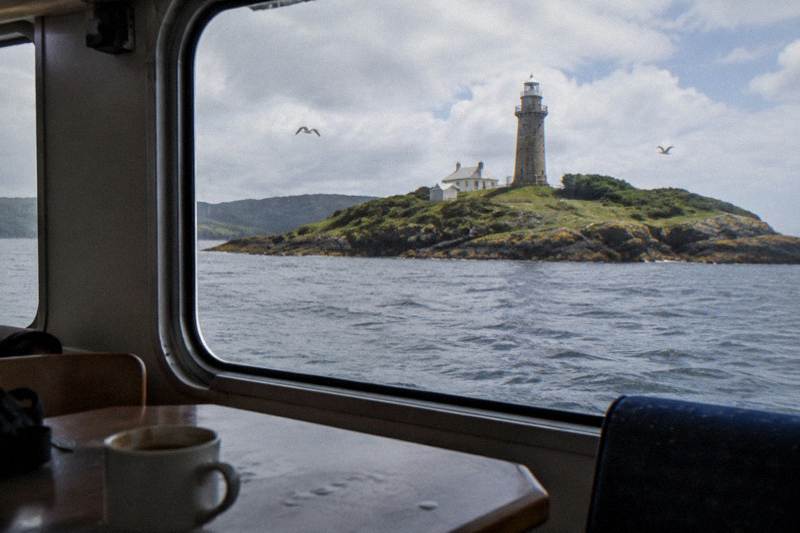
Strahan Weather And Gordon River Cruise Seasons: The Month By Month Guide
Strahan sits on the edge of one of the wettest corners of temperate Australia, and the weather decides everything about a Gordon River cruise day: which month you sail, what you pack, and whether the river gives you glassy reflections or moody mist. Here is the honest month by month picture, built on Bureau of Meteorology averages, plus the closure dates that catch travellers out.
Short answer
Strahan's driest, warmest months are January and February, with mean maximums of 21.2°C, about 68 to 77 mm of rain and roughly 14 to 15 hours of daylight. July and August are the wettest, with 176 to 181 mm of rain across about 19 to 20 rain days. World Heritage Cruises does not sail 1 to 31 August 2026, and both dinner cruises run only on narrow summer date ranges.
Strahan records about 1,496 mm of rain across roughly 179 days of measurable rain per year, according to Bureau of Meteorology averages from the Strahan Aerodrome station. That is not a footnote to a cruise guide, it is the single biggest planning fact on this coast. The same rain that fills the Gordon River with dark, mirror-calm tannin water also closes the harbour entrance at Hells Gates on rough days and shuts one operator down entirely for the month of August. The morning catamaran with buffet lunch still sails through almost all of it, and the river is at its most photogenic when the weather is at its worst behaved. Whatever the sky is doing, families and less mobile travellers can check how the catamaran handles with our guide to the Gordon River cruise for kids, seniors and accessibility.
This guide works through the Strahan weather month by month, using the Bureau's long-term averages for the aerodrome, then turns those numbers into cruise decisions: which month to book, when the cruises do not run at all, what the river looks like in the rain, and what to pack when the forecast refuses to commit. Strahan River Cruises compares the Gordon River sailings from both operators on one page, so the season facts here line up with the fare and departure details on every listing.
What Is The Weather Like In Strahan, Month By Month?
Strahan is mild in summer and cool, wet and short-dayed in winter. January and February average 21.2°C maximum and about 11°C minimum with 68 to 77 mm of rain each. July averages 12.4°C and 5.4°C with 176 mm of rain across almost 19 rain days, and midwinter daylight shrinks to about nine hours. Autumn and spring sit between the two, with rain increasing steadily from March onward.
The numbers below are Bureau of Meteorology climate averages for the Strahan Aerodrome station, the official long-term record for this stretch of coast. Daylight hours are approximate monthly averages for the middle of each month. Read the rainfall column honestly: even the "dry" months here carry measurable rain on 9 to 13 days, so a completely dry cruise day is never the base case on the west coast.
| Month | Mean Max | Mean Min | Rainfall | Rain Days (1mm+) | Daylight (about) |
|---|---|---|---|---|---|
| January | 21.2°C | 11.0°C | 77.4 mm | 10.1 | 14.6 h |
| February | 21.2°C | 10.8°C | 68.8 mm | 8.9 | 13.5 h |
| March | 19.6°C | 10.0°C | 103.9 mm | 12.8 | 12.2 h |
| April | 16.8°C | 8.6°C | 114.7 mm | 14.0 | 10.7 h |
| May | 14.4°C | 7.5°C | 158.9 mm | 17.8 | 9.4 h |
| June | 12.8°C | 5.7°C | 155.3 mm | 16.1 | 8.8 h |
| July | 12.4°C | 5.4°C | 176.4 mm | 18.9 | 9.0 h |
| August | 13.1°C | 5.7°C | 181.4 mm | 19.9 | 10.1 h |
| September | 14.4°C | 6.4°C | 148.4 mm | 18.6 | 11.6 h |
| October | 16.2°C | 7.3°C | 121.4 mm | 15.9 | 13.0 h |
| November | 18.0°C | 8.5°C | 97.1 mm | 12.7 | 14.3 h |
| December | 19.4°C | 9.8°C | 95.9 mm | 13.1 | 14.9 h |
Two patterns matter more than any single row. First, the rainfall climb is steady and steep: from 68.8 mm in February to 181.4 mm in August, the town more than doubles its monthly rain. Second, the daylight swing is enormous. A February sailing enjoys about 13 and a half hours of light, while a July sailing starts its 8:30am or 9:00am departure in near-darkness and is back at the wharf before the afternoon light fades. The full record behind these figures is published by the Bureau of Meteorology for Strahan Aerodrome.
Temperatures almost never reach extremes in either direction. The mean maximum never leaves the 12 to 21°C band, which makes the cruise a four-season activity in principle, and makes layers rather than a heavy coat the correct packing answer. The wind on the open harbour, especially on the run out through Hells Gates, is what passengers remember, not the air temperature on the wharf.
Which Month Should You Book For The Gordon River Cruise?
February is the strongest single month to sail: the lowest rainfall of the year at 68.8 mm, the fewest rain days at 8.9, warm 21.2°C maximums and about 13 and a half hours of daylight. January runs a close second. March and November are the smart shoulder picks, with fewer crowds, tolerable rain and daylight still above 12 hours. Midwinter sailings are atmospheric but wet and short.
The decision is really a trade between three things: rain risk, daylight, and crowd pressure. Summer wins on the first two outright. February's 8.9 mean rain days is the only single-digit figure on the whole table, and by then the peak Christmas and New Year rush has passed, so the wharf and the Sarah Island walk feel less compressed. The trade-off is that summer is when the seasonal dinner cruises run, and when the "likely to sell out" note on the morning catamaran listing is most likely to be true.
| Period | Weather Reality | Cruise Fit |
|---|---|---|
| December to February | Warmest, driest, longest days | Best reflections and fullest schedules, book early |
| March to April | Cooling, rain rising past 100 mm | Good balance of weather and quiet wharves |
| May | 158.9 mm rain, 17.8 rain days | Moody rainforest, dress for showers |
| June to August | Wettest, 9 to 10 hours of daylight | Atmospheric, but WHC closed all August |
| September to October | Rain easing, days stretching back out | Underrated, quiet, changeable |
| November | 18°C maximums, 12.7 rain days | Strong shoulder-season choice |
For most travellers the honest ranking is February first, January second, November and March as the value picks. If your dates are fixed by school holidays, January still gives you the warmest water, the longest evenings and both dinner cruise options running. If you can travel outside holidays, March delivers the same six-hour itinerary, the same buffet lunch served to your seat, and a wharf that is noticeably calmer.
Both morning cruises carry free cancellation when plans change, which matters on a coast where the forecast can swing a day either side of your booking. That is the one piece of flexibility that genuinely reduces weather risk: book the summer date you want, then watch the sky.
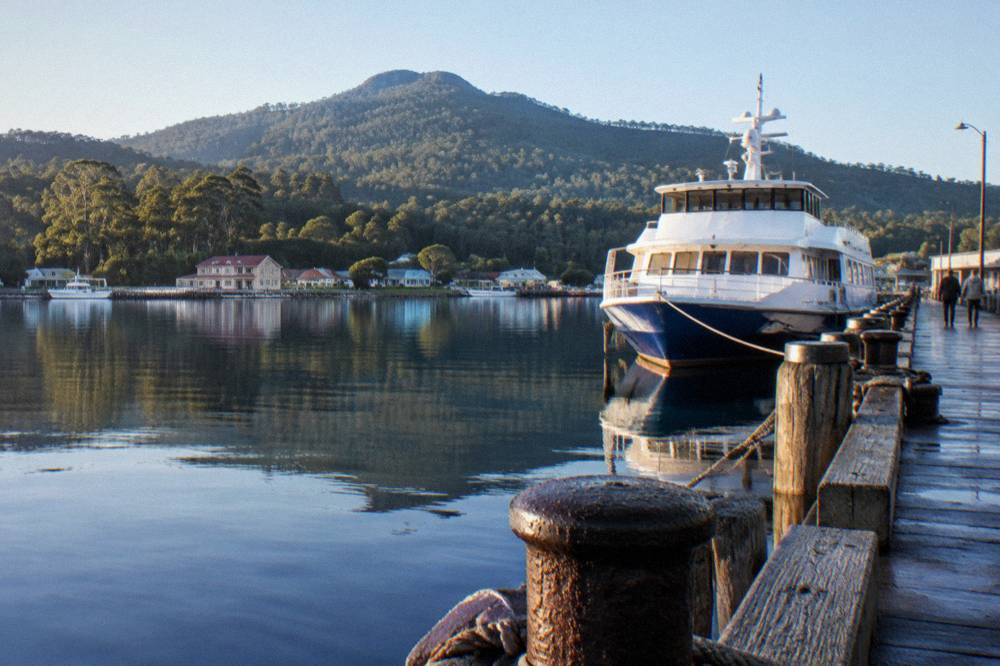
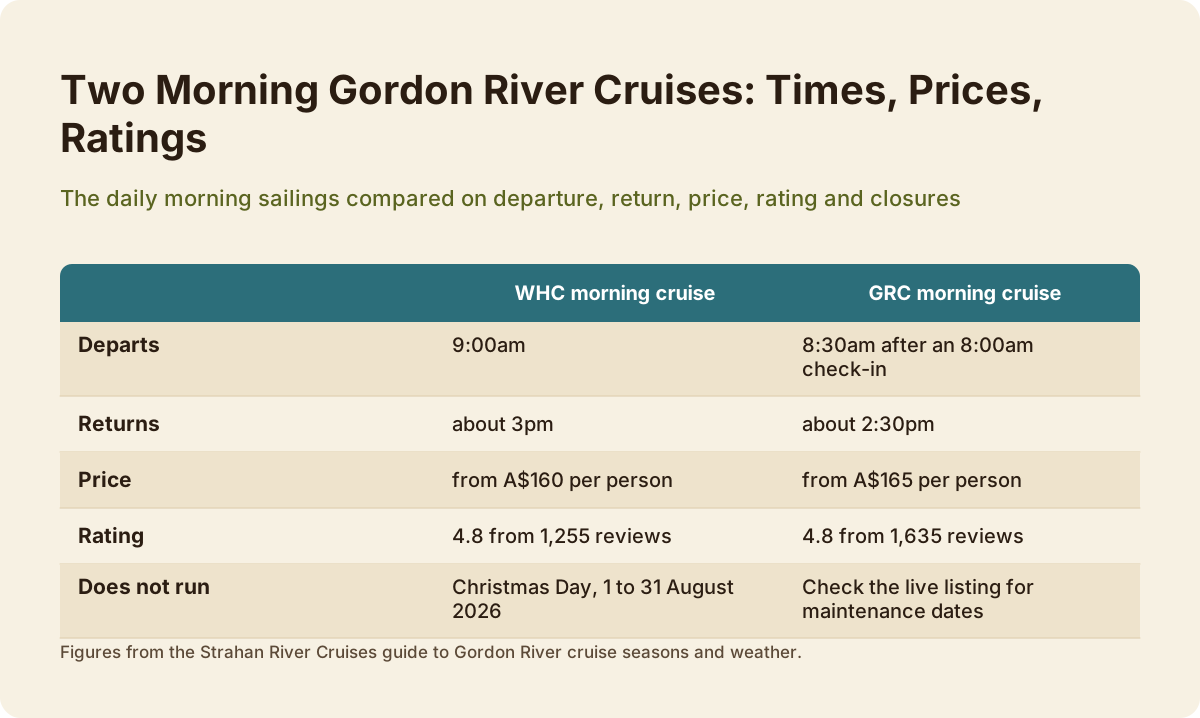
The two morning products differ in ways the weather cannot change. The morning catamaran, buffet lunch cruise departs 9:00am from the WHC booking office at 18 Esplanade and returns about 3pm, from A$160 per person, rated 4.8 from 1,255 reviews. The Gordon River Cruises shared lunch sailing departs 8:30am after an 8:00am check-in, from A$165 per person, rated 4.8 from 1,635 reviews, aboard the hybrid electric Spirit of the Wild. The GRC departure is the earlier of the two, which in winter months means boarding in the dark half of the morning; in summer it simply means first light on the harbour. The seat-by-seat differences are covered in detail in the lunch and dinner cruise comparison.
When Do The Cruises Not Run: Closures And Seasonal Dates?
World Heritage Cruises sails every day except Christmas Day and the whole of August 2026, its annual maintenance month. The WHC afternoon dinner cruise runs only 27 December to 16 January, departing 3:15pm. The Gordon River Cruises evening dinner cruise runs only 27 December 2026 to 2 January 2027 and 14 to 24 February 2027, departing 3:30pm. Outside those windows, the morning cruises are the daily product.
Closure dates catch more travellers than the weather does, because they are absolute rather than probabilistic. The August shutdown is the big one: if your itinerary lands you in Strahan in August, the WHC catamaran is simply not an option, and for later Augusts in future years check the dates, the operator has listed August as its maintenance month. Christmas Day is the other fixed gap. Every other day of the year, one morning sailing or the other is on the water.
| Sailing | Runs | Does Not Run |
|---|---|---|
| WHC morning catamaran, buffet lunch | Daily, 9:00am to about 3pm | Christmas Day, 1 to 31 August 2026 |
| GRC morning cruise, shared lunch | Daily, 8:30am to about 2:30pm | Check the live listing for maintenance dates |
| WHC afternoon dinner cruise | 27 December to 16 January only, 3:15pm to about 8:30pm | All other dates |
| GRC evening dinner cruise | 27 December 2026 to 2 January 2027, and 14 to 24 February 2027 | All other dates |
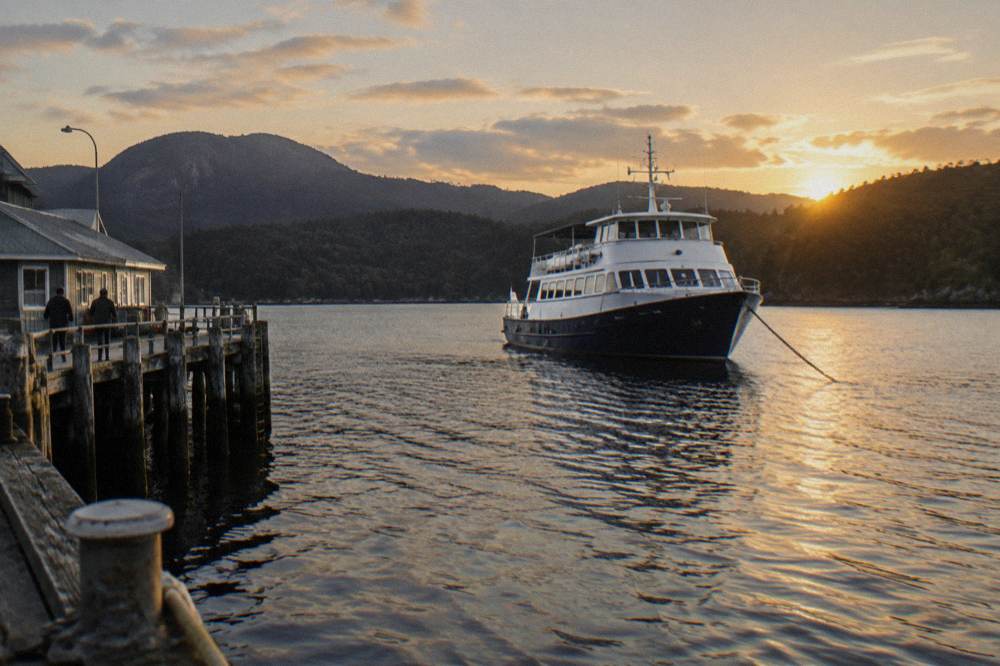
The two dinner sailings are genuinely seasonal products, not year-round options with occasional gaps, and they sit exactly on the best weather the table shows. The WHC afternoon run, 27 December to 16 January, gives you a 3:15pm departure into the longest evenings of the year, back about 8:30pm with a buffet dinner of local specialties included, from A$160 per person, 4.9 from 23 reviews. The GRC evening departure, dinner included, runs its two short windows with a 3:00pm check-in and 3:30pm departure, from A$160 per person, 4.5 from 12 reviews. Both carry small review pools, 23 and 12 reviews respectively, so treat those ratings as early signals rather than settled verdicts. The evening departure with dinner included is the one to watch for the February window: it overlaps the driest month on the coast.
Because the seasonal windows are narrow, the practical advice is to fix the cruise date first and build the rest of the west coast itinerary around it, not the reverse. The check-in and departure logistics, including where tickets are collected and how early to stand on the Esplanade, are laid out in the wharf check-in and departure guide.
What Does The Gordon River Look Like In Rain?
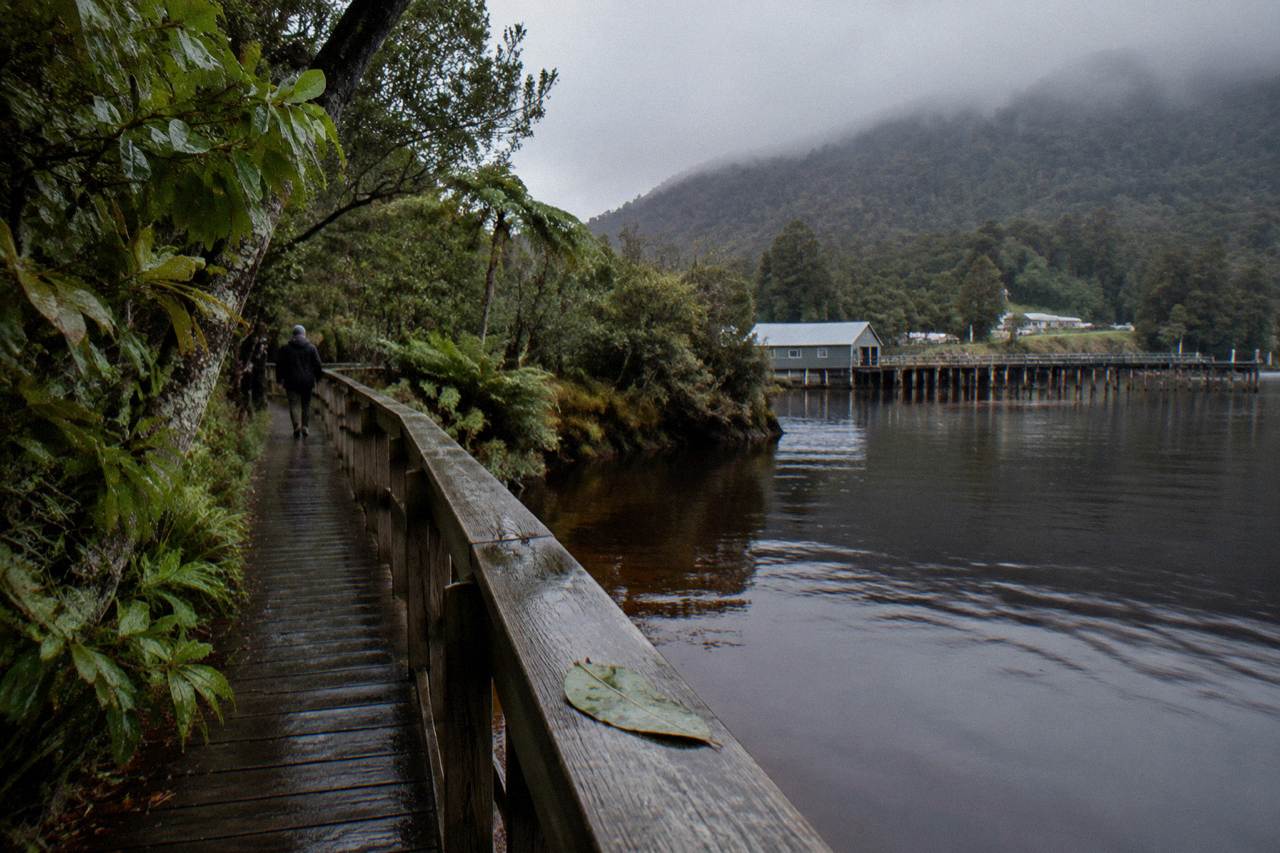
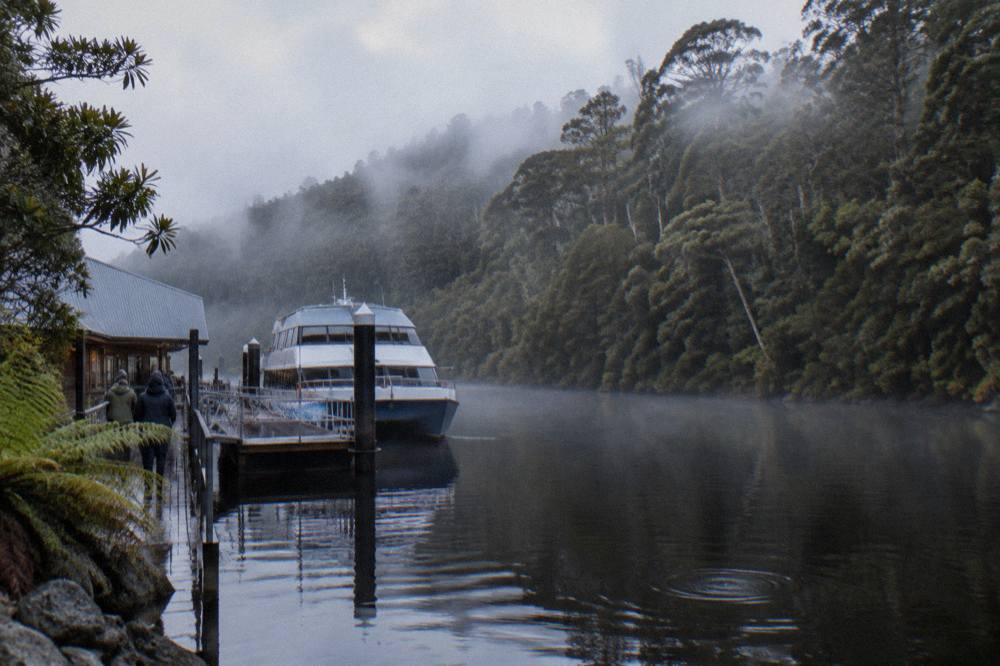
Rain improves the river more than it harms the cruise. The Gordon carries tannin leached from peat and rainforest vegetation, staining the water dark brown, and rain swells that tannin flow while keeping the water pure. On calm, wet days the surface turns to a near-perfect mirror, doubling the rainforest in reflections, which is the signature photograph of the cruise. Rain mainly costs you the view from the open deck, not the experience.
This is the counterintuitive part of west coast weather, and it is the reason locals shrug at the forecast. The dark water is not pollution. It is dissolved organic matter from buttongrass, tea-tree and rainforest catchments, and it is what makes the lower Gordon famous. Light penetrates only the top couple of metres, the water stays glassy in sheltered reaches, and the forest walls of the gorge reflect off it like polished stone. Higher rainfall pushes more tannin-stained freshwater down the river, so a wet week before your sailing often means a better mirror, not a worse one. That dark, still water also explains why the ancient huon pines growing along its banks have survived so long, a story our guide to the huon pine trees of Tasmania tells in full.
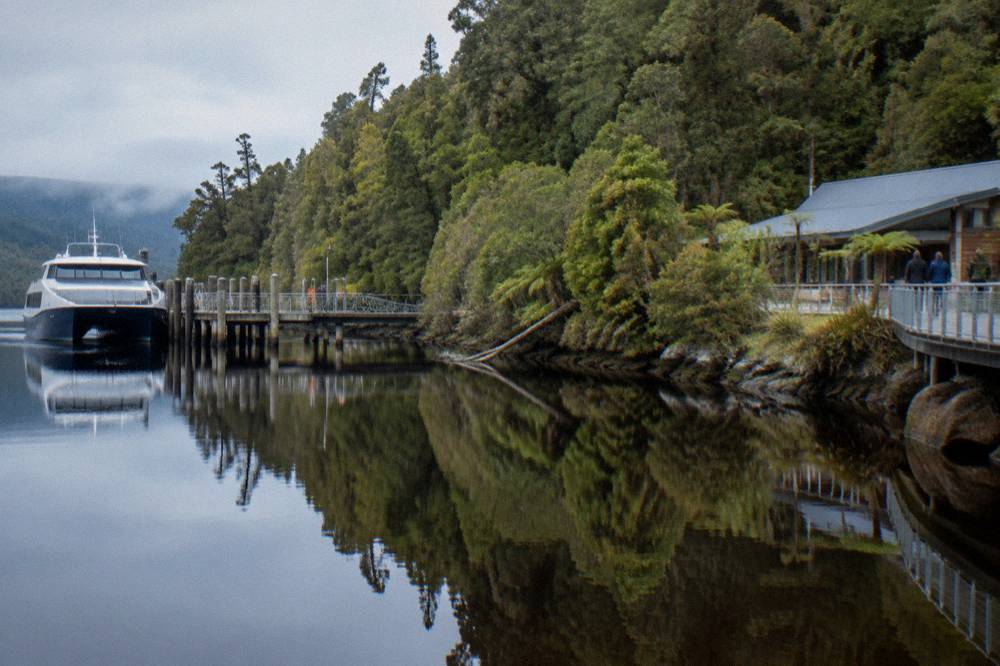
The Franklin-Gordon Wild Rivers National Park, which the cruise enters, records annual rainfall over 1,900 mm, even wetter than Strahan itself, and the parks service describes the tannin-stained water as a defining feature of the park rather than a defect. What rain does change is the on-deck experience: the run across Macquarie Harbour to Hells Gates is exposed, and the GRC vessel's electric "whisper mode" on the river itself is best appreciated from a window seat with a hot drink rather than from the bow. Both vessels are built for exactly this climate, with enclosed main decks and window seating sold at a premium for good reason. For a fuller picture of that exposed run to the harbour mouth, the Hells Gates and Macquarie Harbour guide explains what the crossing involves in rougher conditions.
Mist is the other gift of bad weather. Low cloud sitting in the rainforest gorge, half swallowing the Huon pines at Heritage Landing, is the look that the postcards cannot capture on a blue-sky day. If your sailing lands on a drizzly morning, the boardwalk walk is still short, sheltered and, under an umbrella, arguably at its best. The morning catamaran, buffet lunch cruise covers the same stops, with lunch served to your seat so the midday break happens whatever the sky is doing.
One weather effect genuinely can change the day: strong westerlies on the harbour mouth. The narrow, shallow entrance at Hells Gates, named by convicts as their entrance to hell, is the one stretch where the operators judge conditions rather than simply sailing the schedule. On those days the skipper may hold the harbour or adjust the order of stops, and the cruise still delivers the river, the island and the rainforest. The geography and history of that entrance is covered in the Hells Gates and Macquarie Harbour guide.
What Is The Rainiest Month In Tasmania For The West Coast?
For the west coast around Strahan, August is the rainiest month, with a mean of 181.4 mm across 19.9 rain days, narrowly ahead of July at 176.4 mm and 18.9 rain days. May, June and September all cluster near 150 to 159 mm. This is a regional answer: Tasmania's east coast is far drier, and the rainiest-month question only has one honest answer for the Strahan side of the island.
The distinction matters because Tasmania is a two-weather-state island. The same frontal systems that soak the west coast leave the east coast comparatively dry, so a statewide answer to "what is the rainiest month in Tasmania" is close to meaningless for a Strahan itinerary. For this coast, the answer is August, and it is not a coincidence that August is also the month the WHC catamaran is out of the water for maintenance.
| Rank | Month | Mean Rainfall | Rain Days (1mm+) |
|---|---|---|---|
| 1 | August | 181.4 mm | 19.9 |
| 2 | July | 176.4 mm | 18.9 |
| 3 | May | 158.9 mm | 17.8 |
| 4 | June | 155.3 mm | 16.1 |
| 5 | September | 148.4 mm | 18.6 |
The practical reading of the wet half of the table is not "do not go", it is "go differently". Winter sailings on the GRC vessel still run, the rainforest is at its most saturated and vivid, and the reflections on the river are reliable because wind, not rain, is what breaks the mirror. What winter costs you is daylight: with about 9 hours of light, the 8:30am departure and the 9:00am departure both start in the dark or half-dark, and the whole six-hour itinerary is compressed into the short end of the day. Photographers who want moody gorge shots will trade that happily. Travellers who want to see the harbour in full light should not.
What Is The Best Month To Visit Tasmania For A Cruise Day?
For a Strahan cruise day specifically, February is the best month to visit: the lowest rainfall, the fewest rain days, warm 21.2°C maximums and about 13 and a half hours of daylight, with the summer crowds thinned out after Australia Day. January, March and November follow. For Tasmania as a whole, the same December to February window is the safest general answer, though the east coast stays pleasant well into April.
The infographic below sums up the whole decision in one view: rainfall and rain days falling from the August peak toward the February floor, daylight rising through the same months, and the two dinner cruise windows sitting exactly on the summer peak. That alignment is not an accident. The operators schedule their seasonal evening products for the part of the year when a 3:15pm or 3:30pm departure still has hours of light ahead of it and the statistical chance of a dry deck is highest.
If your trip is a full Tasmania loop rather than a west coast stay, the honest advice is to let the cruise set the calendar. Hobart and Launceston are workable in almost any month, but the Gordon River day is the one that is genuinely weather-sensitive, and it is a long way from anywhere: about 300 km and 4 hours 30 minutes from Hobart, or 270 km and 3 hours 30 minutes from Launceston via Cradle Mountain, per the official Discover Tasmania drive times. You do not want to burn that drive and then draw a wet week in June. Anchor the trip in February or the November to March shoulder, and the rest of the island will look after itself.
The World Heritage listing that the cruise sells you is also a seasonal story. The Tasmanian Wilderness World Heritage Area, over 1.58 million hectares and first inscribed in 1982, is listed on the UNESCO World Heritage register, and the rain that fills the Gordon is part of why the area qualifies as one of the last expanses of temperate wilderness on earth. The wet months are not a failure of the destination, they are the mechanism behind it.
What Should You Pack For Any Strahan Weather?
Pack for four seasons in one day, every day, in any month. The core kit is a waterproof shell jacket, warm mid-layers even in February, long trousers, enclosed shoes with grip for the Heritage Landing boardwalk, a hat for the open harbour run, and sunglasses for the glare off the water. Add a compact umbrella for the Sarah Island walk, because the guided ruins tour happens in whatever weather the day delivers.
The temperature range is narrow, from a 12.4°C July maximum to a 21.2°C February maximum, but the felt range is much wider. Wind chill on the harbour crossing, the still air under the rainforest canopy, and the sudden sun when a front clears can all happen inside one six-hour sailing. Layers you can shed on the upper deck and pull back on at Hells Gates beat any single warm item.
| Condition | Likely When | What To Have |
|---|---|---|
| Steady drizzle | Any month, most likely May to September | Waterproof shell, umbrella for the island walk |
| Strong westerly on the harbour | Any month, watch the forecast | Windproof layer, hat that stays on |
| Calm mirror river | After rain, sheltered reaches | Camera or phone ready, sunglasses for glare |
| Sudden clear sun | After a front passes | Sunscreen, sunglasses, water bottle |
| Cold dark departure | June to August mornings | Warm gloves, beanie, hot drink money |
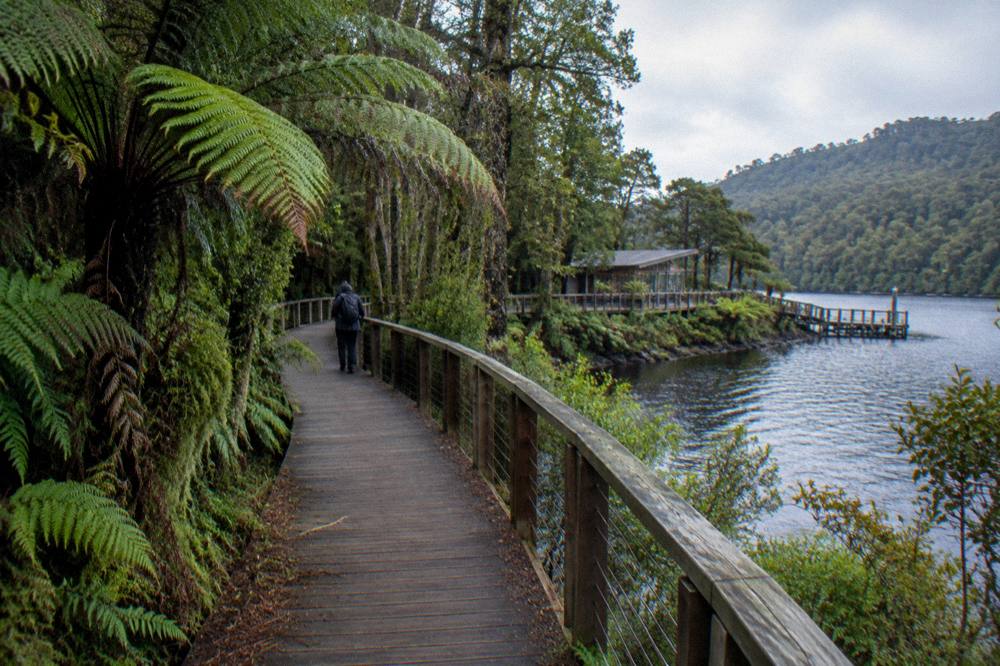
Footwear deserves its own sentence. The Heritage Landing stop is an elevated boardwalk through rainforest to ancient Huon pine, and Sarah Island is a guided on-shore walk over grass and gravel ruins. Neither is a hike, but both are wet underfoot for much of the year, and grip matters more than waterproofing. The full item-by-item packing list, including what works for children and for the dinner cruises, is in the what to bring on a Gordon River cruise guide.
One seasonal note on the dinner sailings: the 3:15pm and 3:30pm departures mean you are on the water as the temperature drops through the evening, and the return, about 8:30pm for the WHC run, lands after dark even in January. A warm layer for the last hour is the single most forgotten item on the evening cruises.
Common Questions About Strahan Weather And Cruise Seasons
What Is The Weather Like In Strahan, Month By Month?
Mean maximums run from 21.2°C in January and February down to 12.4°C in July, with minimums from about 11°C to about 5.4°C. Rainfall climbs from 68.8 mm in February to 181.4 mm in August, and rain days from 8.9 to 19.9. Daylight swings from about 15 hours in December to about 9 hours in midwinter.
Which Month Should You Book For The Gordon River Cruise?
February is the best statistical month: the lowest rainfall, the fewest rain days, warm days and about 13 and a half hours of daylight, with the January peak crowds gone. January, March and November are the next best picks. Midwinter sailings run but are wet, dark and short.
What Is The Rainiest Month In Tasmania For The West Coast?
On the west coast around Strahan, August is the rainiest month at a mean of 181.4 mm across 19.9 rain days, just ahead of July at 176.4 mm. The east coast of Tasmania is much drier, so the answer only applies to the Strahan and west coast side of the island.
What Is The Best Month To Visit Tasmania For A Cruise Day?
For a Strahan cruise day, February, followed by January, March and November. The December to February window is also the safest general answer for Tasmania as a whole, though the east coast stays pleasant well into April.
When Do The Cruises Not Run?
World Heritage Cruises does not sail on Christmas Day or from 1 to 31 August 2026, its annual maintenance month. The WHC afternoon dinner cruise runs only 27 December to 16 January. The Gordon River Cruises evening dinner cruise runs only 27 December 2026 to 2 January 2027 and 14 to 24 February 2027.
What Does The Gordon River Look Like In Rain?
Better, mostly. Tannin leached from peat and rainforest stains the water dark, and rain swells that flow while keeping the water pure. On calm wet days the river turns to a near-perfect mirror of the rainforest, which is the cruise's signature view. Rain mainly costs you open-deck time, not the itinerary.