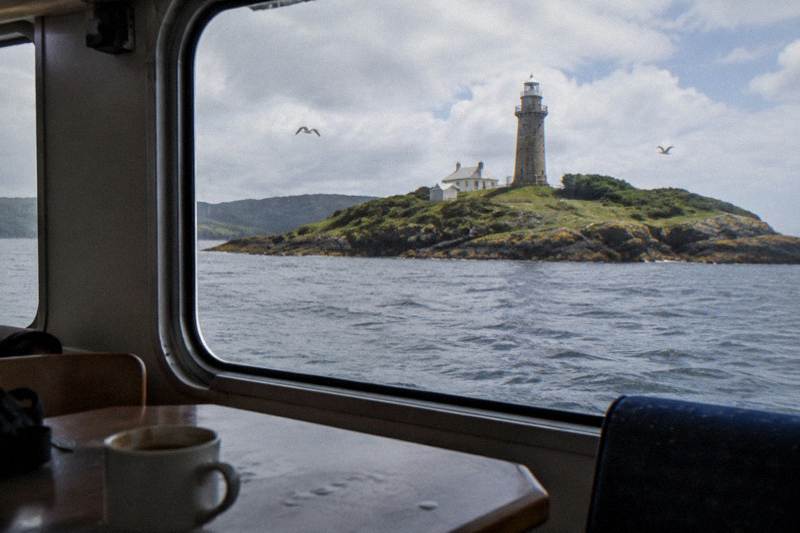
Huon Pine In Tasmania: The Ancient Tree Behind The Gordon River Cruise
Huon pine is the tree that built Strahan. It drew convict piners into Macquarie Harbour from 1822, it kept the west coast timber trade alive for a century after, and today the only easy way to stand beside a living one is on a Gordon River cruise.
Short answer
Living Huon pine grows in the Franklin-Gordon Wild Rivers National Park, and the two Gordon River cruise operators from Strahan both stop beside it: Heritage Landing has an elevated rainforest boardwalk through ancient Huon pine, and the World Heritage Cruises morning catamaran adds a Huon pine sawmill stop on the way home. Fares start at A$160 per person.
Huon pine is one of the rarest and slowest-growing trees on earth, and the strip of Tasmania where it survives runs straight through the country the Gordon River cruise crosses. The tree made the west coast: convict timber-getters were sent to Macquarie Harbour in 1822 largely to cut it, the piners who followed them kept cutting it for another century, and the sawmills that processed it gave Strahan its early work. Today the living trees are protected inside the Tasmanian Wilderness World Heritage Area, a property of more than 1.58 million hectares that covers almost a quarter of Tasmania, and the daily cruise boats from Strahan are the practical way in.
That is the honest shape of it. You cannot book a Huon pine tour here, and no such product exists on this site. What you can book is a Gordon River cruise, and both operators from Strahan put you in front of living Huon pine within the same six hours. This guide covers the tree itself, the timber history the cruise guides tell at Sarah Island, the sawmill stop, and how the two sailings differ.
What Is Huon Pine And Why Does It Matter?
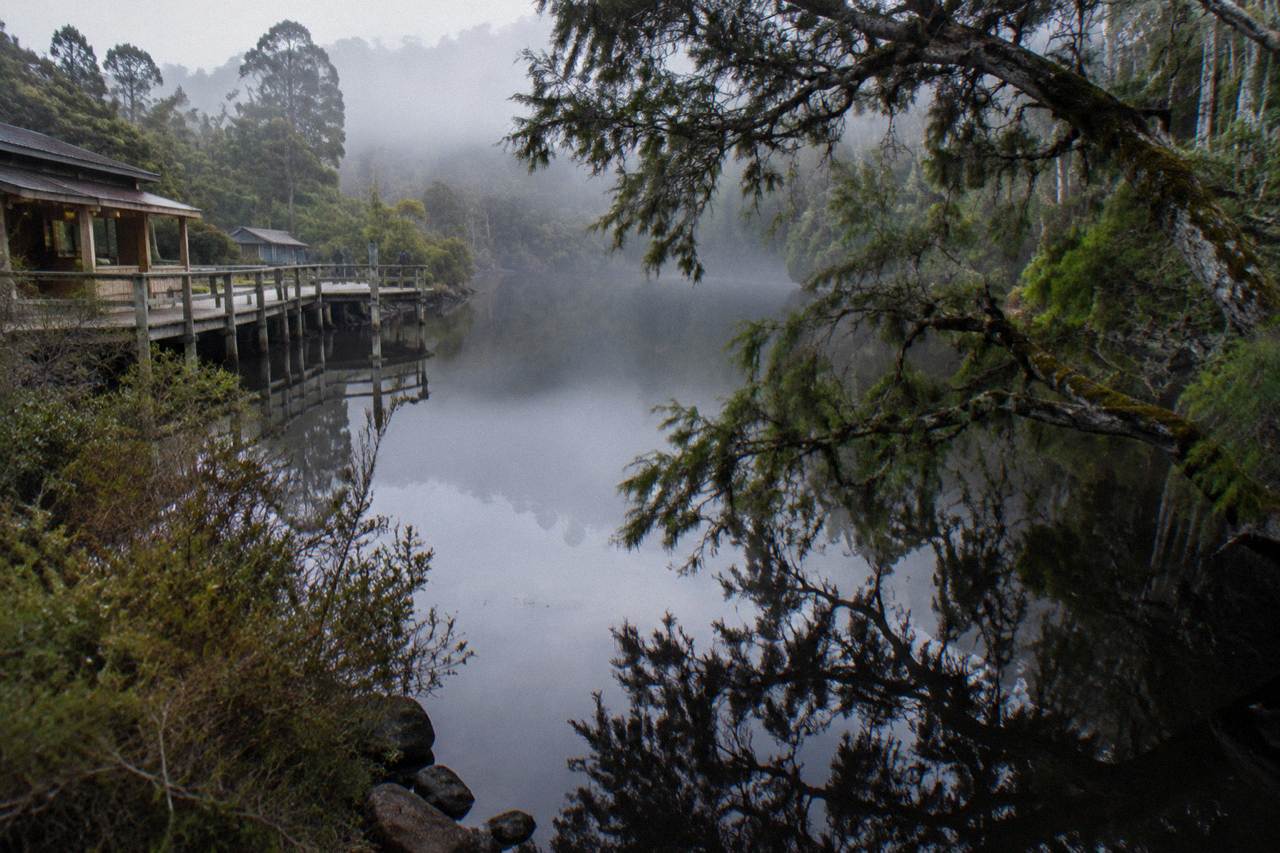
Huon pine is a conifer found only in Tasmania's wild west and southwest, a tree so slow-growing and so resistant to rot that its timber became one of the most prized shipbuilding woods in the colonies, and the demand for it is the reason a penal settlement was placed on Sarah Island in 1822. The tree grows in the rainforests of the Franklin-Gordon Wild Rivers National Park, where annual rainfall tops 1900 mm and the rivers run dark with tannin leached from peat and vegetation. That tannin stain is what gives the Gordon River its famous mirror reflections on calm days, and the same wet, acidic catchment is what the pine itself needs. The wood contains a natural oil that resists waterlogging and insects, which is why piners prized it for boats, and why salvaged logs pulled from the riverbed decades after felling were still sound enough to mill.
The Parks and Wildlife Service notes that the Franklin-Gordon Wild Rivers National Park, home to these rainforests, lies at the heart of the World Heritage Area and is accessible to visitors via the lower Gordon River on daily cruise boats from Strahan. That single sentence explains why the cruises exist on the scale they do: the park has almost no road access to this stretch, so the boat is the door.
What the tree is not, despite its name, is a true pine in the everyday sense, and it is not related to the radiata plantations you drive past elsewhere in Tasmania. It belongs to an ancient Gondwanan lineage, and the individual trees on the Heritage Landing boardwalk are old enough that the operators leave their exact ages to your imagination. No reliable age figure for the Strahan trees appears in the verified sources, so none is given here.
Where Can You See Living Huon Pine Near Strahan?
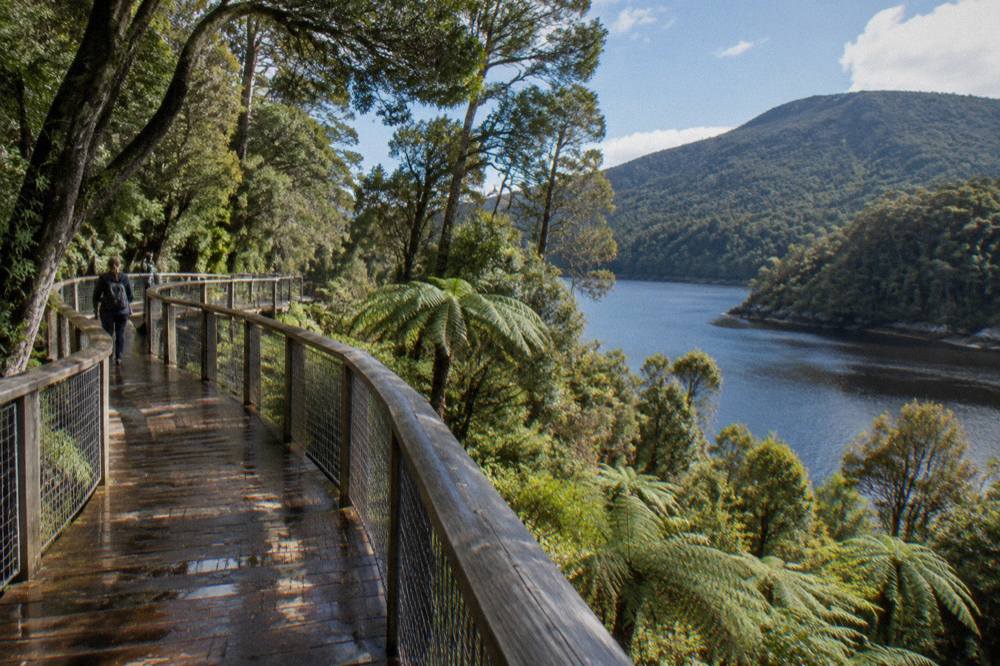
The reliable way to see living Huon pine from Strahan is the Heritage Landing stop on a Gordon River cruise, where an elevated boardwalk carries you through temperate rainforest to ancient Huon pines standing right beside the river, roughly two hours of the sailing is spent on the Gordon River including that walk. There is no road to Heritage Landing, no walking track from Strahan, and no other commercial access: the boardwalk is reached by water, and the two cruise operators share it on a staggered timetable. The walk itself is short and flat, built above the forest floor to protect the root systems, and it is the one place on a normal tourist itinerary where you stand within arm's reach of the tree that everything else in this guide is about.
The second way to see the tree, without boarding a cruise, is around Strahan's own rainforest fringe. The Peoples Park stroll to Hogarth Falls, one of Tasmania's 60 Great Short Walks, runs through forest where Huon pine grows along the water, and it costs nothing. It is a fair substitute for a rainy afternoon, but it does not replace the cruise: the Heritage Landing trees are the ancient riverside stand, and the falls walk is a town walk. The free things to do in Strahan guide covers that walk and the other no-cost options in full.
The third way is the WHC sawmill stop, which shows you the timber rather than the living tree, and it deserves its own section below. For planning, this is how the three sightings stack up:
| Where | What You Actually See | How To Get There | Time Needed |
|---|---|---|---|
| Heritage Landing boardwalk | Living ancient Huon pine at the river edge, rainforest understory | Gordon River cruise from Strahan, either operator | About 30 to 40 minutes on shore |
| WHC Huon pine sawmill stop | Working timber history, sawmill site and Huon pine timber | World Heritage Cruises morning sailing only | Short stop on the return leg |
| Peoples Park to Hogarth Falls | Rainforest walk with Huon pine along the creek | Walk from Strahan, free | About 60 minutes return |
Both cruise operators time their Heritage Landing stop so the river is at its calmest for reflections, and the GRC vessel, the hybrid electric Spirit of the Wild, switches to its electric "Whisper Mode" motors on the river stretch, which is what keeps the water still enough to photograph the pine and the reflections together.
The Huon Pine Sawmill Stop On The Morning Catamaran
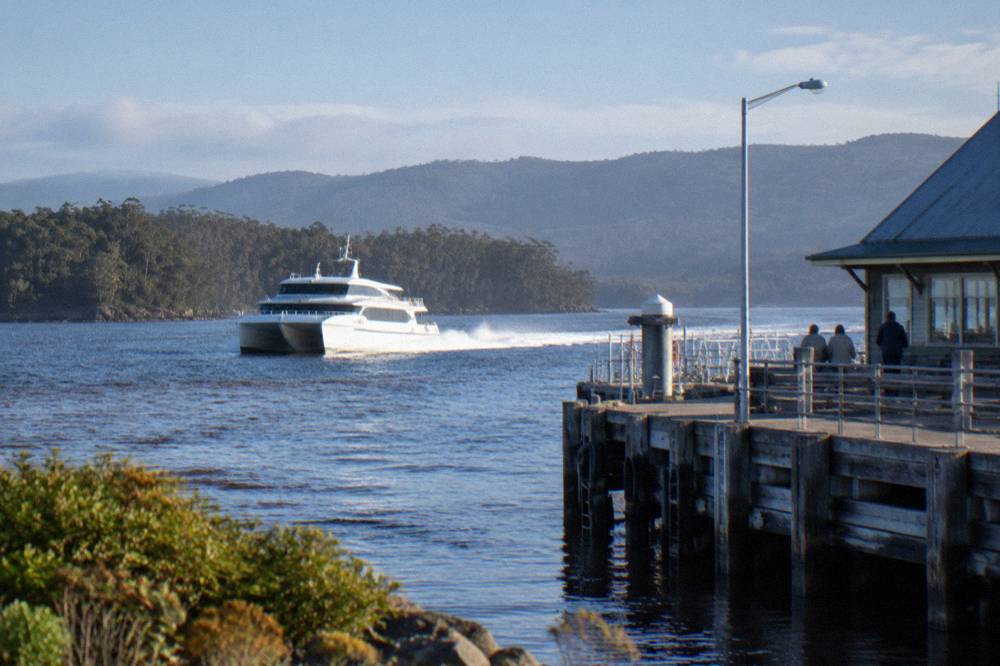
World Heritage Cruises is the only operator whose sailing includes a stop at a Huon pine sawmill on the return leg, a piece of the timber story the other operator does not cover, and it comes bundled with the same Hells Gates crossing, Sarah Island walk and Heritage Landing boardwalk as every other Gordon River cruise. The morning catamaran, Harbour Master II, was launched in October 2020 and built in Tasmania, and its day runs about six hours: depart 9:00am from the booking office at 18 Esplanade on Strahan Wharf, check in 8:30am with tickets collected 30 minutes before departure, and back about 3pm. Lunch is Tasmanian produce served to your seat, with morning tea and a beverage on the upper deck only. The listing carries a 4.8 rating from 1,255 reviews, and it flags itself as likely to sell out, which on a west coast summer is worth taking seriously.
The sawmill stop matters for this guide because it is the only point in the day where the Huon pine story becomes physical rather than scenic. The guides talk timber, the piners, and the trade that emptied these rivers of their fallen logs over more than a century. Strahan River Cruises compares the Gordon River sailings from both operators on one page, so the differences are easy to weigh side by side.
One practical point for this sailing: the WHC FAQ states the cruise travels into the Franklin-Gordon Wild Rivers National Park and that a National Parks Pass is needed, which WHC does not sell, so it is bought from Parks and Wildlife Tasmania before boarding. The full check-in and departure detail is in the Strahan wharf check-in and departure guide.
How The Two Cruises Compare For The Huon Pine Day
The two operators offer the same core Huon pine experiences, Heritage Landing and Sarah Island, and differ in vessel, departure time, lunch style and the sawmill stop: GRC departs 8:30am on a hybrid electric boat with a chef-prepared buffet, while WHC departs 9:00am on a Tasmanian-built catamaran with lunch served to your seat plus the sawmill stop. Neither sailing is a worse way to see the tree. The GRC morning cruise, the Gordon River Cruises shared lunch sailing, runs from the Gordon River Cruises terminal at 24 Esplanade with an 8:00am check-in, carries a 4.8 rating from 1,635 reviews, and from A$165 per person. The WHC morning sailing is from A$160. Both are about six hours, both include Hells Gates and the fish farms, and both stop at Heritage Landing and Sarah Island.
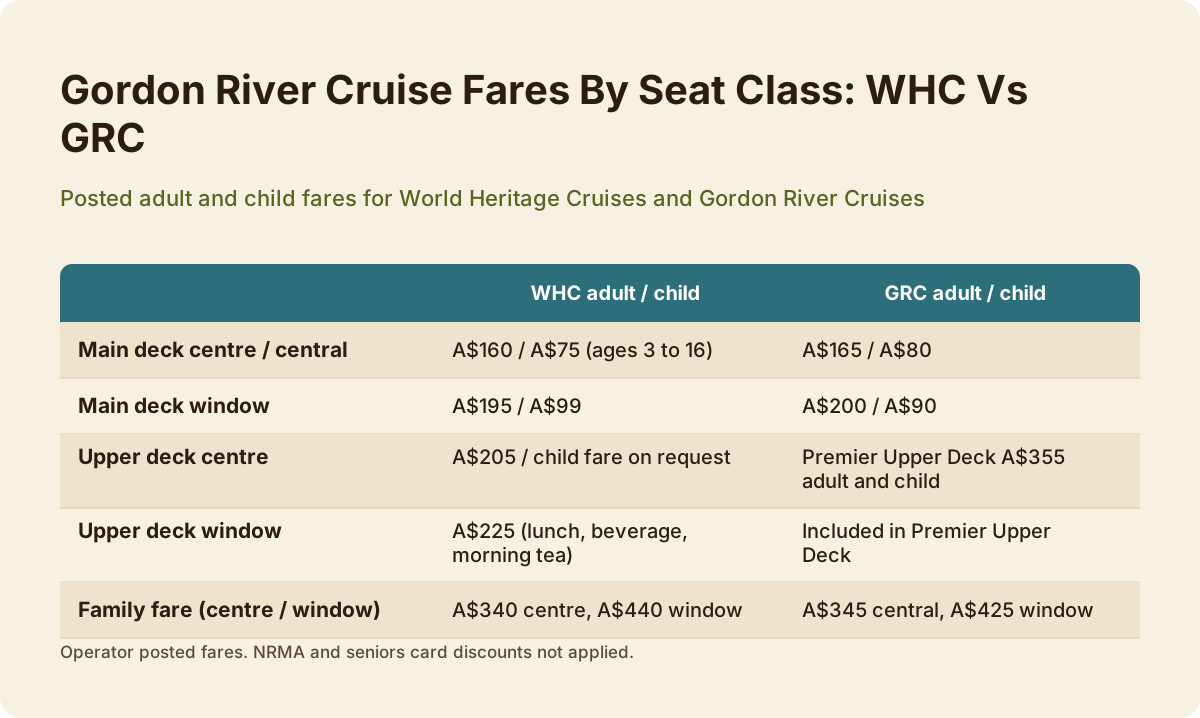
The seat-class fares, verified from the operators' own pages, show how the price ladder works on each boat:
| Seat Class | WHC Harbour Master II (adult / child) | GRC Spirit Of The Wild (adult / child) |
|---|---|---|
| Main deck centre / central | A$160 / A$75 (ages 3 to 16) | A$165 / A$80 |
| Main deck window | A$195 / A$99 | A$200 / A$90 |
| Upper deck centre | A$205 / child fare on request | Premier Upper Deck A$355 adult and child |
| Upper deck window | A$225 (lunch, beverage, morning tea) | Included in Premier Upper Deck |
| Family fare | A$340 centre, A$440 window, 2 adults and up to 3 children | A$345 central, A$425 window, 2 adults and up to 2 children |
Two discounts sit on top of those numbers: NRMA members save 15% on GRC fares with a promo code, and Australian seniors card holders get 10% off WHC. WHC's fares are listed as valid to 31 March 2027, and GRC's are marked subject to change, so treat every figure here as the operator's own posted fare rather than a promise. The deeper fare breakdown, including what each deck actually gets you, is in the Gordon River cruise seat options guide.
Huon Pine And Sarah Island: A Convict Timber History
Sarah Island was established in 1822 as Tasmania's oldest convict settlement, and the Huon pine trade was central to its existence: convicts were put to work extracting the timber, the island's shipyard became for a time the largest in the colonies, and the station recorded more than 180 escape attempts before it closed in late 1833. The island is eight hectares, sits inside the Macquarie Harbour Historic Site, and its ruins, the penitentiary, the commandant's slipway, the bakehouse, the tannery, are what the cruise guides walk you through on the on-shore stop. The Parks and Wildlife Service records that after the penal phase the island ran briefly as a probation station for Huon pine cutting, and was later reoccupied for a time as a timber-getting station. The full story of the stop itself is in the Sarah Island tour guide.
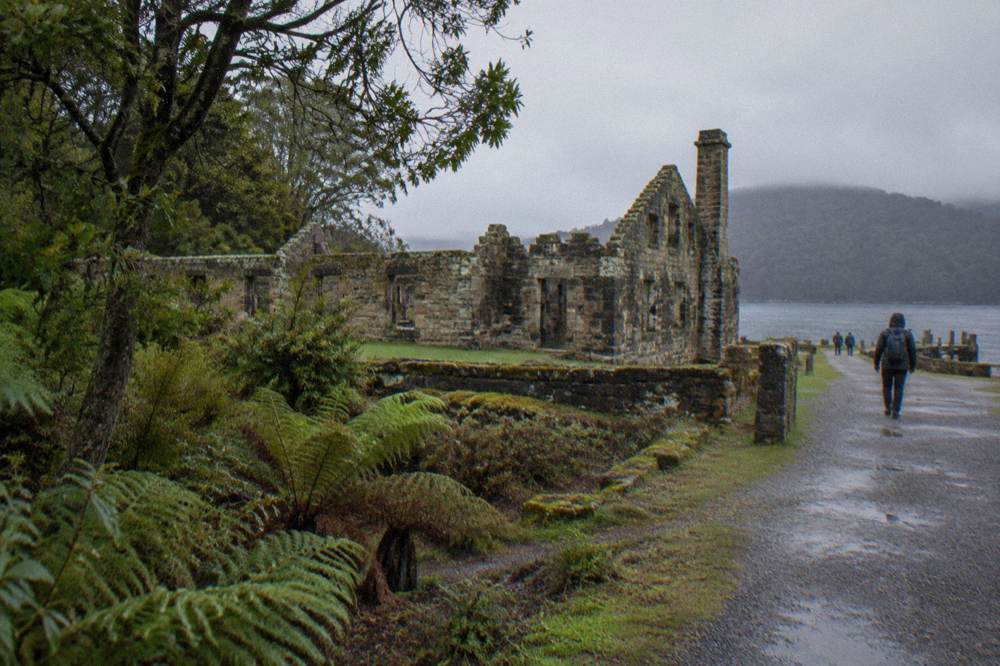
The connection to the tree is the part people miss. Huon pine does not just grow near Sarah Island, it is the reason the prison was put there in the first place, because the British authorities wanted the timber extracted by forced labour from a harbour that was, for its inmates, effectively inescapable. The convicts named the harbour mouth Hells Gates as their entrance to hell, and the channel still carries that name. The same guides who interpret the island ruins also perform The Ship That Never Was in Strahan, the long-running play about the 1834 escape of ten convict shipwrights who hijacked the Frederick, the last vessel built on the island. The play's 2026 schedule is not verified, so check locally rather than planning around it. The full index of guides sits on Strahan River Cruises.
The timber story did not end with the convicts. Free piners worked the Gordon and its tributaries for a century after, and the sawmill the WHC cruise stops at belongs to that later era of the trade. When you stand on the Heritage Landing boardwalk afterwards, you are looking at what the whole industry was built to take.
Can You Buy Huon Pine Products In Strahan?
Yes, Huon pine timber is still worked and sold in Strahan, from salvaged and plantation-sourced wood rather than living wild trees, and the town's Huon pine outlets are the honest place to buy a piece of the tree's timber history, since the living trees in the World Heritage Area are fully protected. The Discover Tasmania listing for Strahan notes the Huon Pine Shop among the town's attractions, and the DARK exhibition held there during the winter solstice festival is one example of how the timber and the town's culture stay linked. What you cannot do is buy wood cut from the Heritage Landing stand or anywhere else in the national park, and any reputable outlet will tell you the provenance of what it sells.
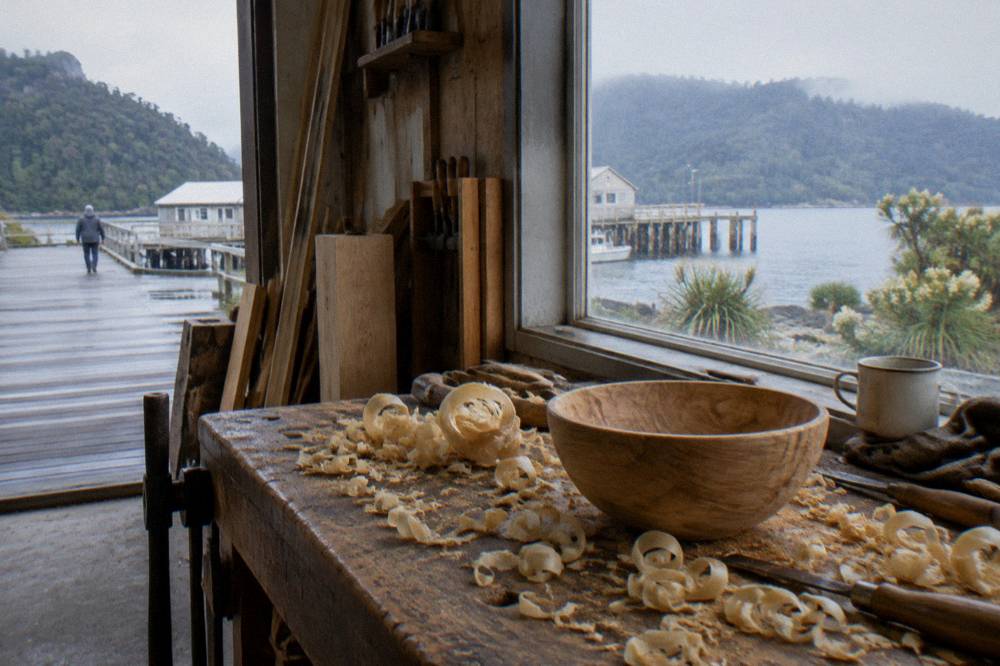
This is also where a day in Strahan fills out around the cruise. The wharf and the Esplanade, the things to do in Strahan round-up, the West Coast Wilderness Railway's Regatta Point stop, and the evening play all sit within a short walk of where both cruise boats leave from, so a Huon pine day can start with the tree in the morning and end with its history on stage.
When Is The Best Time To Cruise For Huon Pine And Reflections?
Summer, December to February, is the best window: it is the driest period at Strahan, mean rainfall drops to 77.4 mm in January against 181.4 mm in August, daylight stretches to about 15 hours, and both operators run their fullest schedules, though the WHC boat does not sail at all from 1 to 31 August for annual maintenance. The reflections on the Gordon River, the photograph most people come home with, depend on calm water, and calm water is statistically likelier in those months. The trade-off is crowds: January is peak, and the WHC listing's own "likely to sell out" note is aimed squarely at that period.
The climate averages for Strahan Aerodrome, from the Bureau of Meteorology, show the pattern month by month:
| Month | Mean Max (C) | Mean Min (C) | Mean Rain (mm) | Rain Days (1 mm Or More) |
|---|---|---|---|---|
| January | 21.2 | 11.0 | 77.4 | 10.1 |
| February | 21.2 | 10.8 | 68.8 | 8.9 |
| April | 16.8 | 8.6 | 114.7 | 14.0 |
| July | 12.4 | 5.4 | 176.4 | 18.9 |
| August | 13.1 | 5.7 | 181.4 | 19.9 |
| October | 16.2 | 7.3 | 121.4 | 15.9 |
| Month | Mean Max (C) | Mean Min (C) | Mean Rain (mm) | Rain Days (1 mm Or More) |
|---|---|---|---|---|
| March | 19.6 | 10.0 | 103.9 | 12.8 |
| May | 14.4 | 7.5 | 158.9 | 17.8 |
| June | 12.8 | 5.7 | 155.3 | 16.1 |
| September | 14.4 | 6.4 | 148.4 | 18.6 |
| November | 18.0 | 8.5 | 97.1 | 12.7 |
| December | 19.4 | 9.8 | 95.9 | 13.1 |
Winter has its own case: the rainforest is at its moodiest, the harbour is quiet, and the tannin-dark water against wet Huon pine is a photographer's subject. But the WHC maintenance closure in August and the short days, about 9 hours of daylight in midwinter, make it a season for travellers who already know the west coast. The full seasonal breakdown, including what to pack for rain, is in the Gordon River cruise seasons and weather guide.
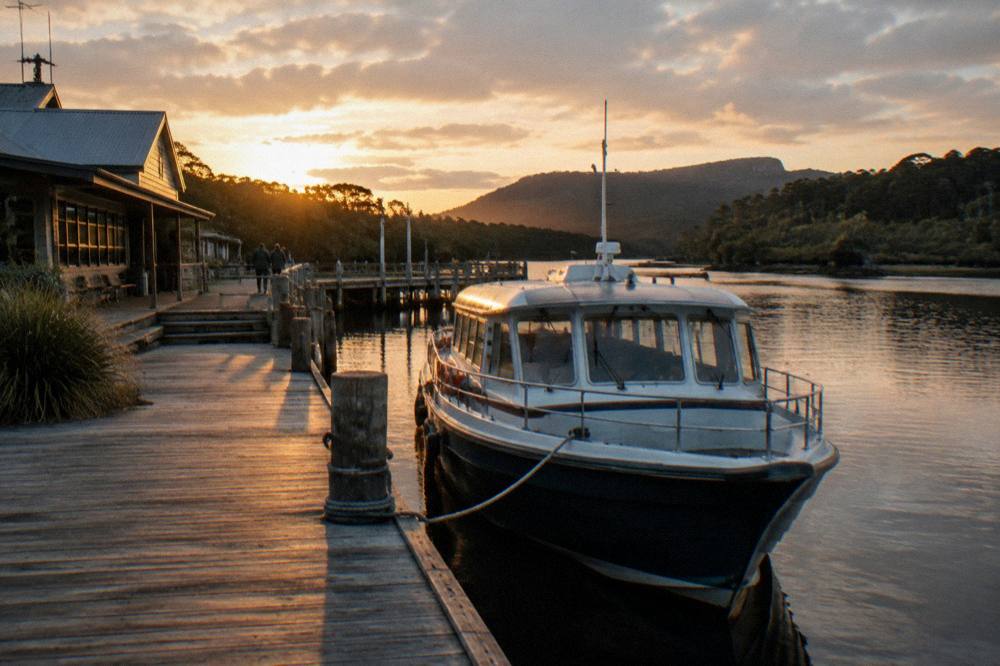
The seasonal dinner sailings are worth naming here because they change the shape of the day. The WHC afternoon catamaran, a seasonal run from 27 December to 16 January only, departs 3:15pm and returns about 8:30pm with a buffet dinner, and carries a 4.9 rating from 23 reviews, a small number of reviews, so treat that figure lightly. The GRC evening dinner cruise runs 27 December 2026 to 2 January 2027 and 14 to 24 February 2027 only, with a 3:00pm check-in for a 3:30pm departure, and has 12 reviews. Neither sailing is year-round, and both put you on the river in the low light that suits the pine and the reflections.
How A Huon Pine Day Actually Runs From Strahan
A Huon pine day from Strahan is a six-hour loop of about 120 km, 65 nautical miles on the water: out through Hells Gates, across the 315 km2 Macquarie Harbour with its fish farms, about two hours on the Gordon River including the Heritage Landing boardwalk, then Sarah Island and home, with the WHC sawmill stop on the return. The harbour, which the WHC FAQ describes as three times the size of Sydney Harbour, is about 40 km from Strahan to the mouth of the Gordon, so a large share of the day is transit, and that transit is where the piners' routes and the convicts' routes are pointed out to you.
The stop order varies slightly by operator, but the shape is the same, and every stop ties back to the tree or the people who cut it:
| Stop | What It Shows | Huon Pine Connection |
|---|---|---|
| Hells Gates | The narrow harbour mouth named by convicts | The entrance the timber trade passed through |
| Fish farms | Working aquaculture pens, tasting on GRC | The harbour's modern industry after the pine era |
| Heritage Landing | Elevated rainforest boardwalk | Living ancient Huon pine at the river edge |
| Sarah Island | Guided walk through penal station ruins | Convicts sent there to cut Huon pine from 1822 |
| Huon pine sawmill (WHC only) | Timber stop on the return leg | The milled wood and the piners' trade |
Booking is straightforward and both morning sailings carry free cancellation when plans change, which matters on a coast where weather can shift a day. The detail on cancellation windows and how far ahead to book is in the Gordon River cruise booking and cancellation guide.
Common Questions About Huon Pine
Can You See Huon Pine Without Taking A Cruise?
Partly. The Peoples Park stroll to Hogarth Falls in Strahan passes Huon pine along the creek and is free, but the ancient riverside stand at Heritage Landing has no road or walking access, so the cruise is the only way to reach it.
Which Gordon River Cruise Stops At The Huon Pine Sawmill?
Only the World Heritage Cruises morning catamaran includes the Huon pine sawmill stop, on the return leg. The Gordon River Cruises shared lunch sailing covers Hells Gates, the fish farms, Heritage Landing and Sarah Island but not the sawmill.
How Old Are The Huon Pines At Heritage Landing?
The verified sources describe the Heritage Landing trees as ancient Huon pines but give no age or growth figures, and none are stated here. The boardwalk interpretation focuses on the species and the rainforest rather than a number of years.
Why Was Sarah Island Built To Cut Huon Pine?
The penal settlement, established 1822, put convict labour to work extracting Huon pine from the harbour's rivers, and the island's shipyard became for a time the largest in the colonies, building more than 100 vessels before the station closed in late 1833.
Is It Legal To Buy Huon Pine Timber?
Yes, from outlets working salvaged and legally sourced wood. Living Huon pine in the World Heritage Area is protected and cannot be cut, and reputable sellers in Strahan can tell you where their timber came from.
Do You Need A Parks Pass For The Cruise?
For the World Heritage Cruises sailing, yes: its FAQ states the cruise enters the Franklin-Gordon Wild Rivers National Park and a National Parks Pass is needed, which WHC does not sell, so buy it from Parks and Wildlife Tasmania.